The power of 7 in the technological higher education sector!
The incredible N-TUTORR student empowerment coordinator network and student champion representatives from technological universities and institutes of technology share their experiences on the power of partnership and transforming learning together. Check out this engaging video story covering 7 impactful Student Empowerment Coordinators, inspiring student champions, and project representatives involved in the partners in innovation and change fellowship programme (involving 1,800 students and 600 staff across the higher education TU sector).
Commuter Student Experience Report Launched plus Teaching Tips Guide
A new study jointly led by the University of York, the Atlantic Technological University (ATU), the Dundalk Institute of Technology (DkIT) and the Technological Universities Association (TUA) has revealed the significant challenges faced by commuter students in higher education across Ireland, and calls for a whole institution approach to improving their college experience and outcomes. In Ireland, 40% of students live at home and commute to their higher education Iinstitution. The study, titled ‘Commuter students: A student-centred, whole provider approach to improve student experiences and outcomes in technological higher education in Ireland’, explores the academic, financial and wellbeing impact of long commutes on these students.
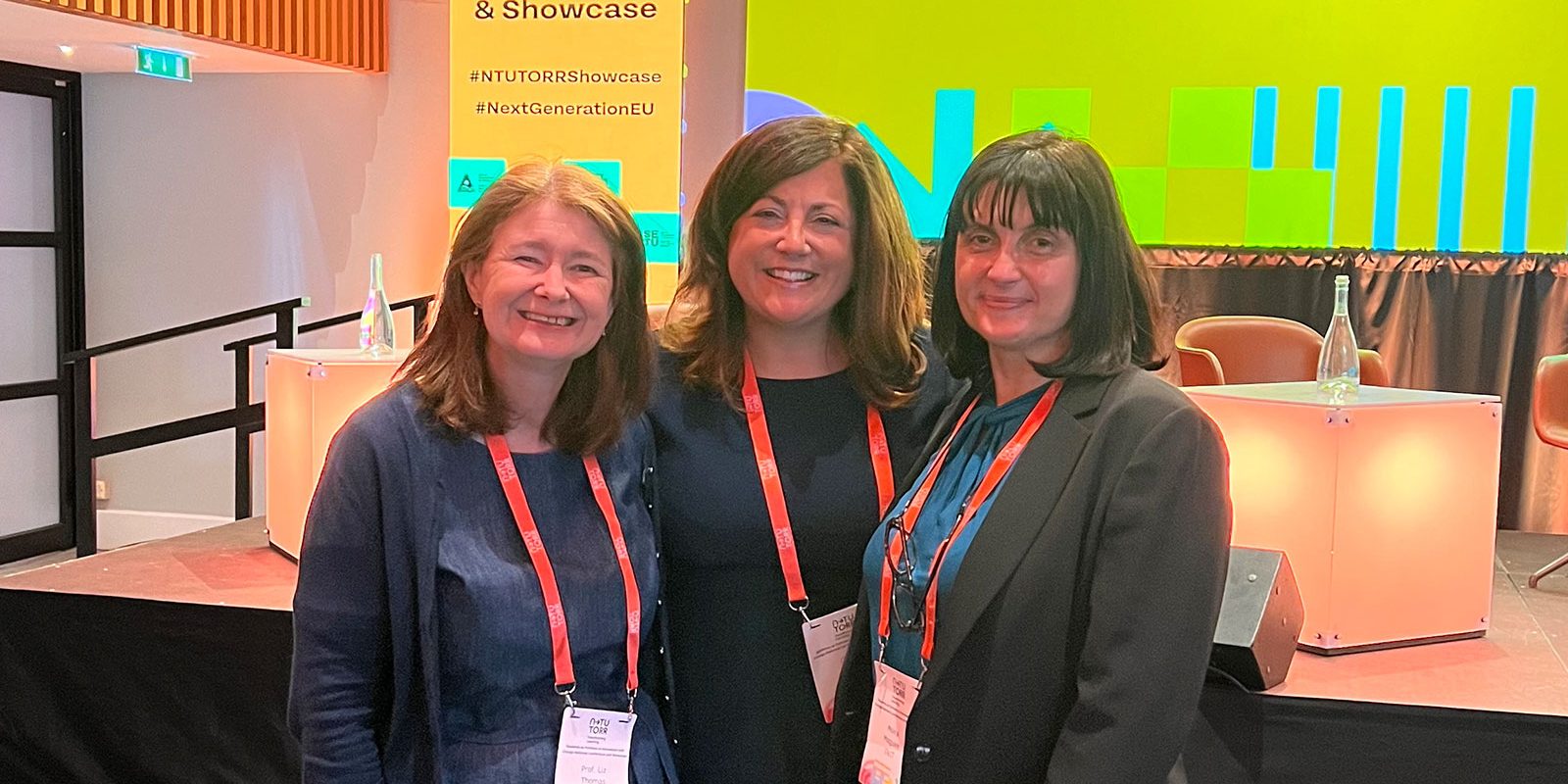
The study was led by Prof. Liz Thomas of the University of York and conducted in partnership with the N-TUTORR Student Empowerment leadership team (Dr Carina Ginty at ATU and Dr Moira Maguire at DKIT) and the Technological Universities Association (TUA). It calls for leadership, nationally and institutionally, to embed awareness of commuter student needs across higher education.
The key findings
Focus groups, carried out as part of the study, revealed that some students commute to campus frequently (typically four or five times per week). While some drove, the majority rely on public transport, and experience long commutes of between one and two hours, or more.
Students reported that these journeys create numerous challenges, including the length of time spent travelling, experience of poor connections and delays, and parking difficulties.
These factors, combined with academic and public transport timetables, led to students leaving home early and arriving back late, resulting in fatigue, less time for study or extracurricular activities, and a negative impact on their wellbeing.
Commuting was also found to be expensive, due to both the direct costs of transport and indirect costs such as buying food on campus.
“The experiences described by commuter students in this study point to a lack of awareness of the issues affecting commuter students, and the need for both organisational and cultural shifts in the higher education sector to address these issues”, said Prof Liz Thomas.
Impact on student life
Students who participated in the focus groups also discussed a lack of opportunities for informal socialising with friends and participation in organised activities such as sports clubs and student societies. Many activities take place during the evenings, and long commutes, reduced transport options, and the need to get up early the next morning impede participation. Students said they had either no social life or that it was severely impacted.
ATU’s Dr Carina Ginty noted:
“This study found that commuting is challenging, and many aspects of the student experience are not inclusive for those students who commute”.
Recommendations
The students made a range of recommendations relating to condensed timetabling, increased use of online learning resources, hybrid attendance, the timing of assessments and assessment deadlines, online provision of academic support, and the need for staff development to create a more ‘commuter compassionate’ academic experience.
Dr Moira Maguire of DKIT added:
“While the student accommodation shortage in Ireland is challenging, it is possible for us to work together to substantially improve the commuter student experience”.
Dr Ross Woods from the Higher Education Authority (HEA) said:
“We know that a student’s sense of belonging is a significant contributor to their success in college. This report will raise institutional awareness of the issues facing students who commute and can guide HEIs in developing strategies to support them.”
The report and the quick guides collection is available to view on the National Forum T&L site and can also be downloaded on this website.
Special Edition of Teaching and Learning Together in Higher Education – International Journal.
A collaboration with Prof. Alison Cook Sather and N-TUTORR Student Empowerment TU sector leads Dr Carina Ginty & Dr Moira Maguire. A collection of powerful stories on the value of partnership in HE.
A special publication in collaboration with Prof. Alison Cook-Sather – Teaching and Learning Together in Higher Education International Journal, dedicated to a collection of great stories representing student partnership, empowerment, leadership in learning and teaching, innovation and change agents in higher education and more!
Co-produced by Dr Carina Ginty PFHEA & Dr Moira Maguire. This special issue explores a collection of essays on Student Empowerment and Partnership Driving Innovation and Change across the Technological Higher Education Sector in Ireland. Access the special issue at https://repository.brynmawr.edu/tlthe/vol1/iss48/
The team started this wonderful writing journey with Alison in March 2025 in Atlantic Technological University Connemara Campus. After 9 months of hard work – the special edition launched online on November 27th 2025. The writing team are sincerely grateful for the opportunity and the professional guidance and Prof. Alison Cook-Sather. Congratulations to all the talented authors. Each story is unique and shares fascinating insights on the N-TUTORR Transforming Learning journey in the technological universities and institutes of technology in Ireland.